HomeSocial Media
Pay-to-Post: X Basically Kills Off Organic Content

Pay-to-Post: X Basically Kills Off Organic Content
In This Issue of Tod Maffin’s Today in Digital Marketing:
- Will X two new subscription plans all but eliminate organic visibility?
- Meta dismisses Oversight Board's ruling on drug ads
- TikTok integrates with HubSpot CRM for lead generation
- Google unveils Search themes for Performance Max campaigns
- X plans to launch XWire, a newswire service
- Children's podcast engagement surges; listening mostly on YouTube
- Meta to remove Group Rooms from Facebook
Want to get Tod Maffin's Today in Digital Marketing free in your inbox, each weekday? Subscribe free to the daily email newsletter or daily podcast.
X’s New Plan Offers Largest “Reply Boost”
Premium Plus plan offers largest reply boost, no ads.
- Basic option at $3/month with limited features.
- How will early adopters feel about their plan getting kneecapped?
X has unveiled a new subscription tier — and its current subscribers might not like it very much.
It is called the Premium Plus plan and costs twice as much as the current subscription. For $16, what buyers get? For one, no ads on the 'For You' and 'Following' feeds.
But it also gives those people the “largest reply boost,” meaning their replies will be pushed higher than those paying for a smaller plan.
introducing Premium+
– no ads in For You or Following
– largest boost for your replies (vs other Premium tiers or unverified users)
– access to our full suite of creator tools
now available on Web ✌️
subscribe here → https://t.co/Ywvyijo9CQ
— Premium (@premium) October 27, 2023
It’ll be interesting to see the fallout from this. The main pitch for the upgraded subscription was that your posts and replies would get an algorithmic boost. This new plan, by definition, would push those replies down lower stream, meaning subscribers to the original plan will either have to just get used to the reduced visibility, or pony up even more money.
There’s also a Basic subscription for $3 a month. Those people don’t get a blue checkmark — which is mostly meaningless now anyway — but they will get a small boost and they will see all the ads the free users do.
Given that there are now three paid tiers artificially placing content higher in feeds, this truly does mean that brands still on X who aren’t paying will probably be all but invisible on the platform.
Meta Overrules Board on Drug Ad Guidelines

Meta disregards Oversight Board's advice on drug ads.
- Board questioned 2022 Instagram post promoting unapproved ketamine.
- Meta prioritizes “user freedom” over Board's drug promotion concerns.
Meta has chosen to overlook some recommendations from its Oversight Board concerning ads for drugs.
The Board had earlier raised concerns about a 2022 Instagram sponsored post. This post promoted ketamine, a drug not yet approved by the American drug regulator, as a remedy for anxiety and depression.
In August, the Board made four suggestions about this post. But last week, Meta dismissed one recommendation and delayed another for future consideration. The Board, which is funded by Meta, claims its decisions should be binding unless they break the law. But Meta seems to disagree.
The Board had requested clarity on Meta's policy about promoting drugs that can cause a "high" in controlled settings. But Meta felt this would limit users' freedom to discuss their health.
The original ad described ketamine as a "magical entry" and contained a bunch of psychedelic images.
TikTok Partners with HubSpot for Enhanced CRM
- TikTok and HubSpot partner to enhance business outreach on TikTok.
- HubSpot users can now gather leads directly from TikTok ads.
- First 500 integrations receive $200 in TikTok ad credits; available in U.S. and Canada.
TikTok and HubSpot have teamed up to help businesses to reach and nurture potential customers from TikTok.
TikTok says one in three people find new products through brand videos on TikTok. And over 90% of viewers take action after watching content there.
This new partnership lets HubSpot users gather leads from TikTok ads.
To set it up, you link your TikTok ad account with HubSpot. Then there’s a little field mapping to do, and once your lead ads start running they should — in theory — begin to populate your HubSpot CRM.
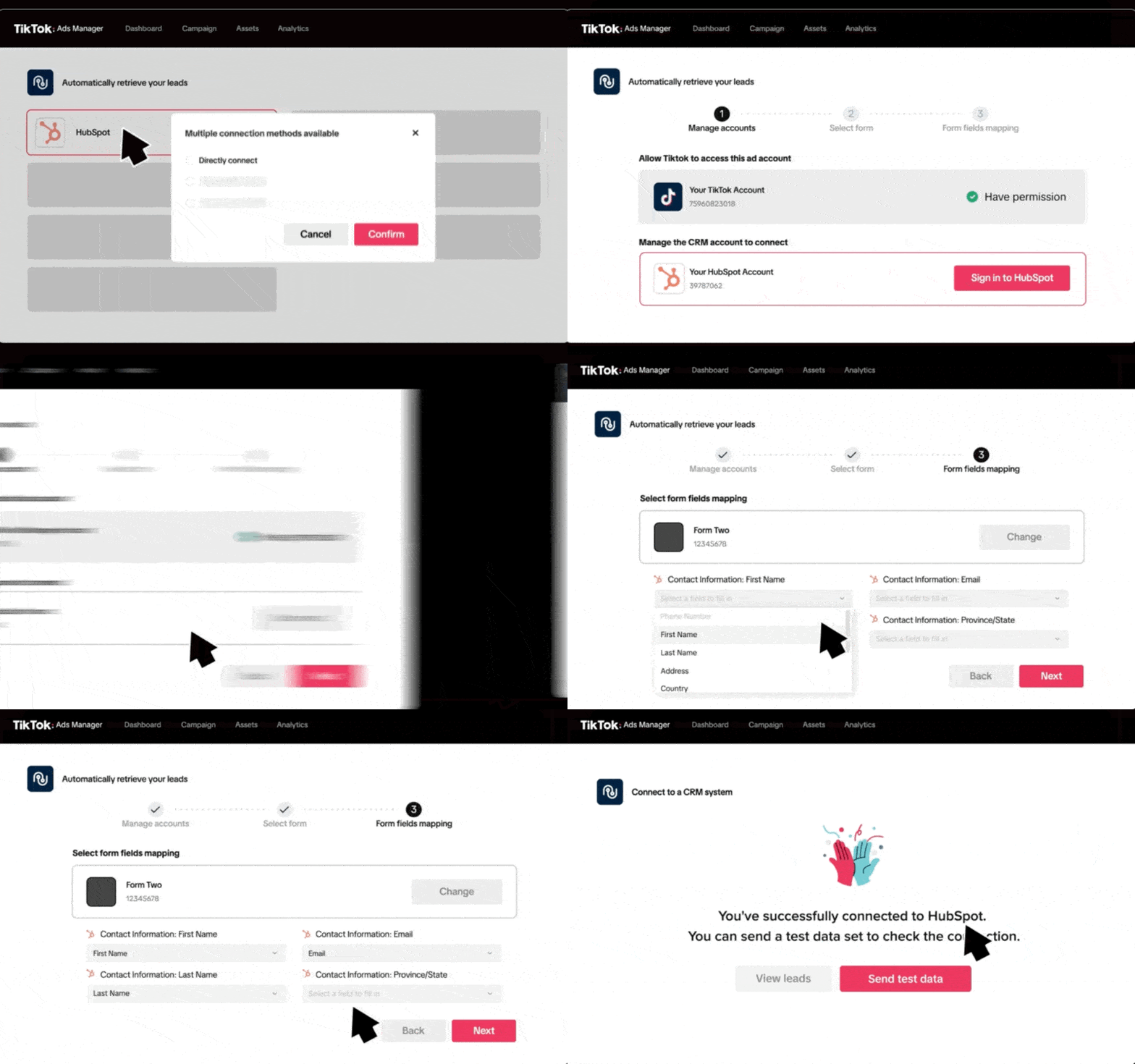
For those jumping in early, there's a bonus. The first 500 advertisers to integrate get $200 in TikTok ad credits. The integration is live in the U.S. and Canada. More countries will follow soon.
Google Launches Beta Search Themes for Ads
- Google introduces Search themes for Performance Max ad campaigns.
- From 2024, custom segments transition to search themes; past modifications restricted.
- Search themes rank equally with phrase/broad match; exact match remains supreme.
Google has unveiled the beta version of Search themes for its Performance Max ad campaigns. These serve as an optional tool to help businesses inform Google's AI about their operations.
Starting early 2024, Google plans to automatically transition existing custom segments, based on search activity, to these search themes. Once this change is implemented, users won't be able to add or modify custom segments from past search activities in Performance Max. However, segments based on interests will remain accessible.
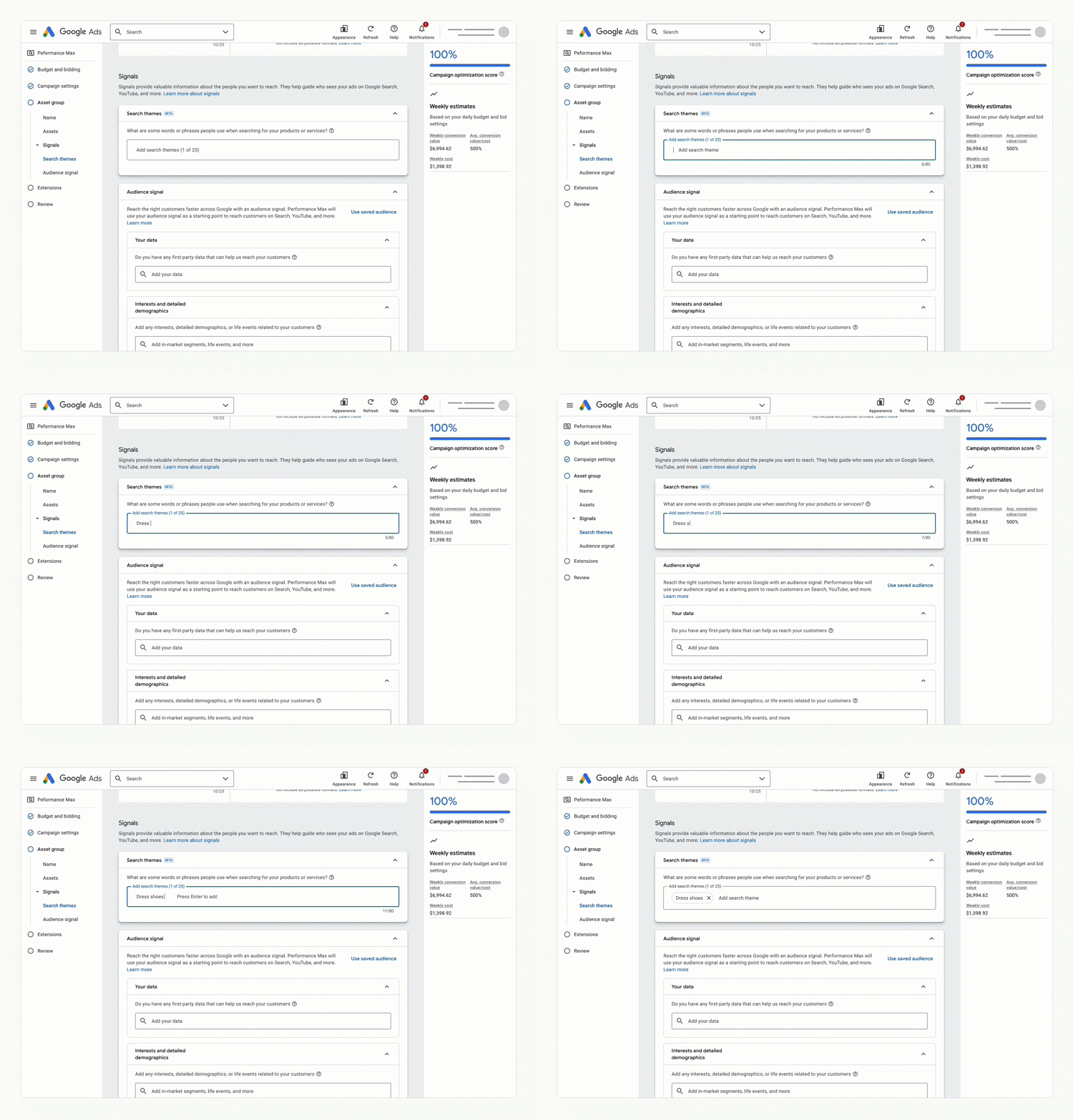
Currently, Performance Max tries to predict the best placements for your campaign by analyzing your assets, landing pages, and so on. With search themes, you’ll be able to provide a bit more information for the AI to chew on.
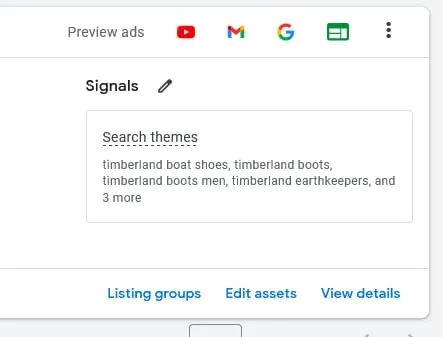
For Performance Max campaigns on Google Search, search themes will be given the same priority as phrase match and broad match keywords. Exact match keywords will still take precedence over search themes and other keywords. Users will also have tools to manage the kind of search traffic their Performance Max ads attract.
X Launches XWire, Challenging Traditional Newswires
- X, once Twitter, launches newswire service XWire, challenging Cision's PR Newswire.
- Musk envisions X as an "everything app" for creators, payments, and finances.
- Despite Yaccarino's positive stats, independent studies suggest X is declining.
X is working on a newswire service named XWire. This move pits X against established press release services like Cision's PR Newswire.
This announcement came during an all-hands meeting with owner Elon Musk and CEO Linda Yaccarino present.
One key point: Musk's continuing vision of transforming X into an "everything app." This app would cater to creators, handle payments, and even manage users' finances.
Remember, Musk believes he’s no longer competing with Threads or BlueSky or any of the microblogging sites that were like Twitter. He’s competing with YouTube and LinkedIn. They've already launched a job listing service, letting companies post job openings directly on X.
Yaccarino shared a bunch of stats claiming X is thriving — both with users and advertisers. But as a private company, they no longer have to prove it. And pretty much every other independent study has found X is in a death spiral.
Kids' Podcast Popularity Soars, UTA Study Shows

Kids' podcast listening has significantly increased; they actively seek shows.
- 48% of kids often listen with parents; discovery via family and social media.
- Preferred genres: comedy, action/adventure, education; 82% use YouTube.
Kids are tuning into podcasts more than ever. That’s the main finding from a new study by UTA. The research shows that children's love for podcasts has surged in the past year. Surprisingly, kids, not parents, are the ones seeking out these shows.
Key points from the study:
- Almost half of US children listen to podcasts weekly.
- Family listening is common. 48% of children always or often listen with a parent.
- Discovery is mainly through recommendations from family and friends (65%) and social media (58%).
- Kids prefer genres like comedy, action/adventure, and educational stories.
- Most kids listen at home, especially on weekends and afternoons.
- YouTube is the top platform for kids, with 82% using it for podcasts.
Meta Axes Group Rooms from Facebook App
- Meta discontinues Group Rooms introduced in April 2020.
- Initially a response to COVID, inspired by Zoom and Clubhouse.
- Shift in focus hints at "year of efficiency" and cost-cutting.
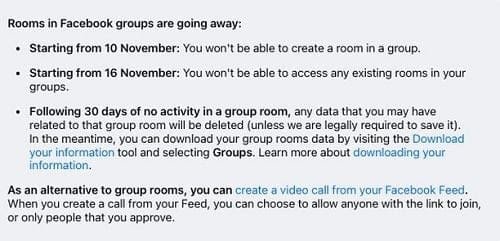
Meta is killing off Group Rooms from its platform. These rooms, introduced in April 2020, allowed users to video chat with up to 50 members. They were a response to the COVID-19 pandemic, providing a way for people to connect during lockdowns.
Inspired by Zoom's success, Meta introduced these in-app engagement tools. Later, in 2021, they added audio rooms, riding the wave started by Clubhouse. But now, neither version is getting much traction. As a result, Facebook is pulling the plug on group rooms.
At their launch, these rooms were seen as a promising feature. They offered a unique way to connect with friends, especially during times when in-person meetings were limited. Audio rooms, though short-lived, seemed like a potential tool to boost group engagement.
However, the reality was different. Meta is now focusing on other areas, hinting at cost-cutting as part of their "year of efficiency." For those who used these rooms, they'll soon disappear. But, video chats can still be hosted via video calls.
Credit to Tod Maffin and the Today In Digital Marketing podcast, Produced by engageQ.com
Want to get Tod Maffin's Today in Digital Marketing free in your inbox, each weekday? Subscribe free to the daily email newsletter or daily podcast.
Get Canada's marketing brief every morning.
Free, fast, and read by 8,000+ marketers, founders, and comms pros across the country.