HomeSocial Media
My CEO Made Me Use Fake Burner Accounts

My CEO Made Me Use Fake Burner Accounts
In This Issue of Tod Maffin’s Today in Digital Marketing:
- A social media lead shares the stress of using burner accounts to combat negative press
- Threads enhances web posting options and introduces new user engagement insights
- TikTok sees a surge in users spending money on digital gifts for creators in the app
- Google tweaks AdSense payment structure, shifting to pay-per-impression model
- Amazon opts to close its physical clothing stores, focusing on expanding grocery outlets
Want to get Tod Maffin's Today in Digital Marketing free in your inbox, each weekday? Subscribe free to the daily email newsletter or daily podcast.
Social Media Manager Confessions: My CEO Made Me Use Fake Burner Accounts

- Social media lead forced to create burner accounts.
- Accounts used to defend a poorly received video game.
- Experience leaves social media lead feeling like a criminal.
An interesting piece in Digiday today chronicles the experience of a social media manager running multiple burner accounts to counteract negative press for her employer.
The anonymous lead described being coerced into the practice by their CEO after a highly anticipated video game received poor reviews.
They say they were told to create multiple fake accounts across platforms like Reddit and Instagram, ensuring they could not be traced back to real individuals.
Of all the platforms, I found Reddit to be [the most] challenging since I got messages from users asking me why I liked the game.
Instagram was the easiest because comments on any post cannot be filtered.
Digiday.com
The CEO even paid for verification checkmarks on Twitter to boost the accounts' visibility.
The whole piece is definitely worth a read if you’re in the social media or reputation management space.
Look for the article on Digiday called “‘I felt like I had committed a crime’: Confessions of a social media lead”
Threads Adds Alt Text and File Enhancements

- Threads introduces alt text editing for media.
- New drag-and-drop feature for attaching files.
- Users will soon be able to opt-out of sharing on Facebook, IG.
Meta’s answer to Twitter — called “Threads” — has updated again.

Web users can now edit alt text for videos and images, a feature that was previously available only on mobile. Also, the app has simplified the process of attaching files to posts with a new drag-and-drop feature.
Data analytics have been added, letting users see who has quoted or reposted their updates by tapping into the Likes count.
Threads also now lets users add multiple posts to a thread and Meta says they are working on an option to prevent Threads content from appearing on other platforms. This addresses concerns from users who weren’t happy that their Threads posts were being exposed to their family members on Facebook and Instagram.
It’s clear that Meta tastes the blood in the water from X, and plans to throw a lot of resources at capturing the space.
TikTok Sees Surge in User Spending on Digital Gifts

- TikTok users spent over $250 million on digital gifts.
- Trend could lead to increased in-app sales and comfort.
- TikTok explores eCommerce, including "Trendy Beat" store.
TikTok might be struggling to get live commerce off the ground, but it’s not because their users don’t have disposable income.
A new report from The Information found that TikTok users sent over $250 million to live-streamers via digital gifts in the third quarter alone.
This trend is not just a boon for content creators but also could lead to greater user comfort with in-app purchases, potentially extending to physical products. TikTok is experimenting with various eCommerce strategies, such as a "Trendy Beat" store in the UK and partnerships for order fulfillment to enhance the shopping experience.
While in-app shopping has been embraced in Asian markets, Western users have been more hesitant, often preferring to shop with established retailers. But TikTok's success with digital gifts suggests a shift may be possible, with users becoming more open to spending on other in-app offerings.
Google Revamps AdSense Payment Structure

- Google to pay publishers by impression, not flat fee.
- Most websites expected to see minimal revenue impact.
- Change aimed at improving Google's tracking systems.
Google has announced a significant update to its AdSense payment structure. AdSense is the program for web site publishers who open up spots on their web pages for Google to drop in ads.
The change: A shift from a flat-fee share to paying publishers based on impressions. This move is expected to maintain the current revenue share for most websites, although the exact impact will vary depending on specific ad campaigns.
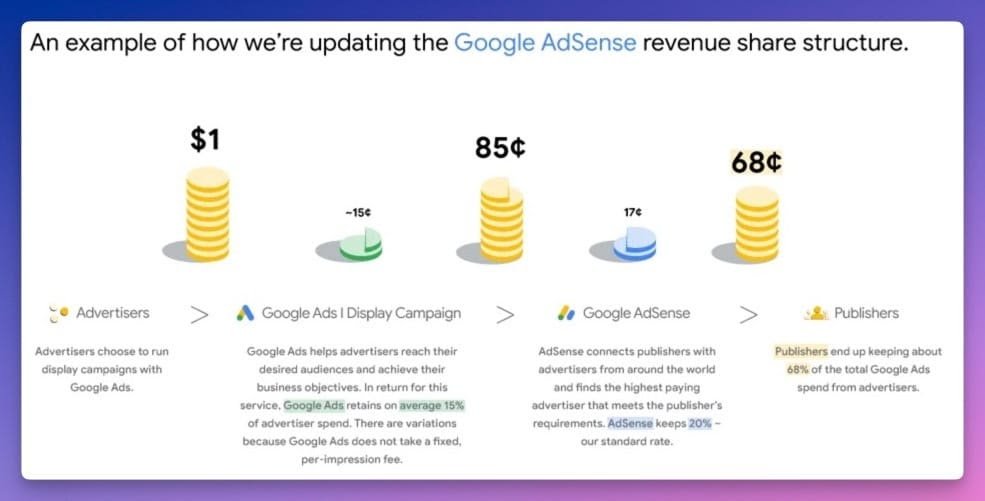
The new structure will separate the AdSense revenue share into rates for the buy-side and sell-side. Publishers will now receive 80% of the revenue after the advertiser platform's fee is deducted. This change is part of Google's efforts to enhance its tracking and display systems, and while it may result in a larger revenue share for Google, the company anticipates minimal impact on regular advertisers.
The updates are set to take effect early next year.
Amazon Shuts Down Physical Clothing Stores

- Amazon Style stores closing, shifting focus online.
- Closure adds to 68 other physical store shutdowns.
- Amazon to reallocate staff, offer severance packages.
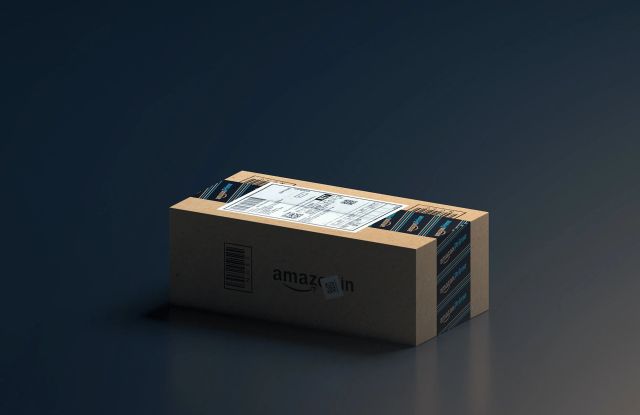
Amazon is closing its bricks-and-mortar clothing stores.
(In related news, Amazon apparently had bricks-and-mortar clothing stores!)
There were only two of them — they were called Amazon Style. The decision comes less than two years after the first store's opening.
This move follows a trend from last year when Amazon closed various physical locations, including bookstores and pop-up kiosks, to concentrate on its grocery store ventures like Amazon Fresh, Whole Foods, and Amazon Go.
Credit to Tod Maffin and the Today In Digital Marketing podcast, Produced by engageQ.com
Want to get Tod Maffin's Today in Digital Marketing free in your inbox, each weekday? Subscribe free to the daily email newsletter or daily podcast.
Get Canada's marketing brief every morning.
Free, fast, and read by 8,000+ marketers, founders, and comms pros across the country.